
Moonset over Helen Putnam Park, Petaluma, CA— the moon going down as the morning comes up. My view of the Valley of the Moon.
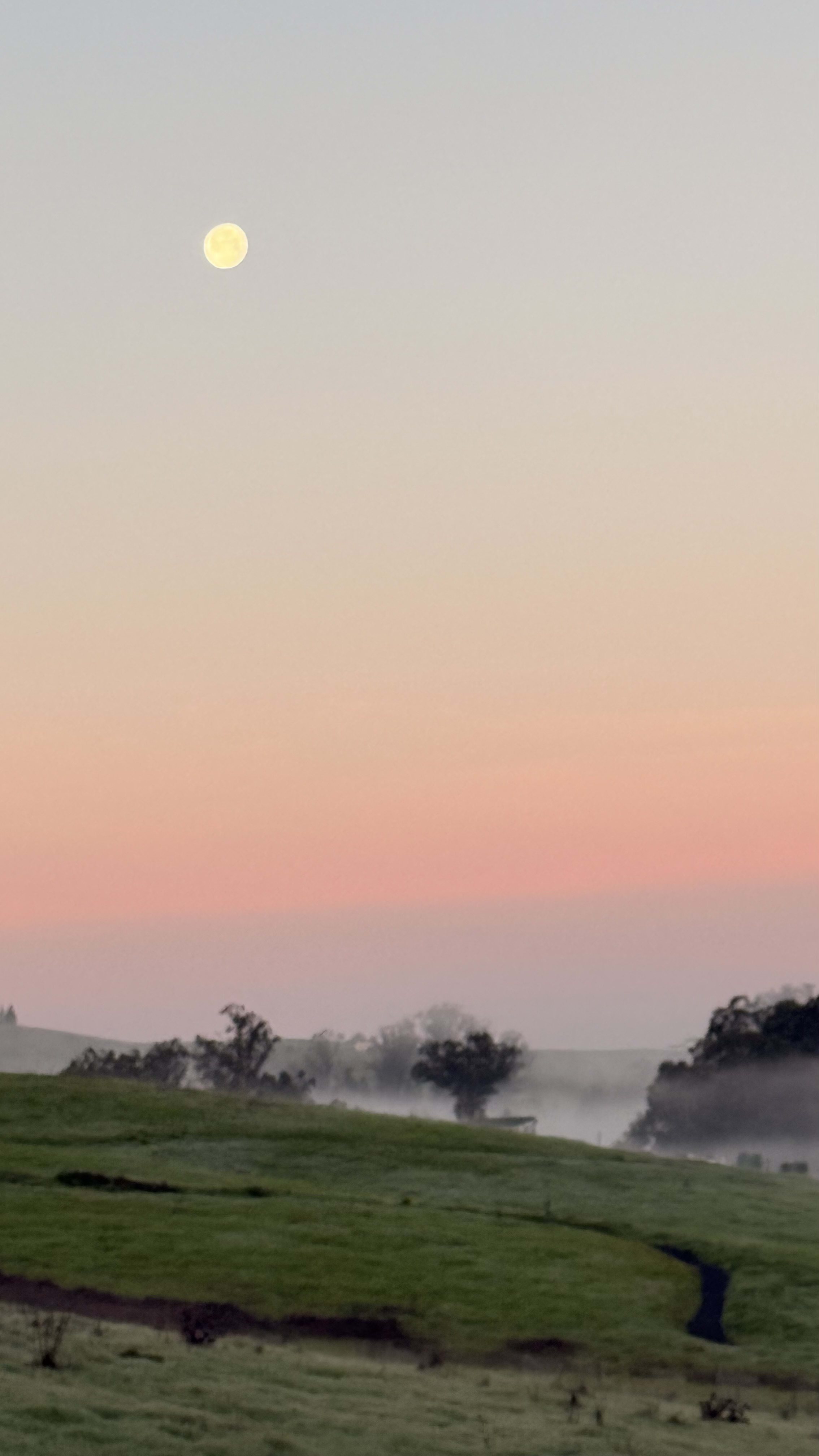
I live now on the same Sonoma hills Jack London wrote from. He called the Valley of the Moon home. He came here at the end of a life of restless wandering — sailor, gold-rusher, war correspondent, for a time the most famous writer in America — to put down roots at last, to build something on the land that would outlast him. I understand that better than I can say, because I came to these same hills the same way: a wanderer, late in life, trying to stop running. Of course, it’s London I think of most when the wild comes to my door, remembering that he saw the same horizon as I look at every day, he from the east, me from the west, and we both came to know the same wild neighbors.
He is not the only one. Thoreau — a native son of my own Massachusetts— went to Walden to live deliberately, to front the essential facts and learn what the woods had to teach before his time ran out. Emerson called nature the symbol of spirit, and said it always wears the colors of our mood. Whitman looked at a single blade of grass and saw the journey-work of the stars. And Mary Oliver gave the whole tradition its plainest instruction: pay attention, be astonished, tell about it.
I’ve kept company with those writers my whole life, and especially this spring. Because the longer I sat finishing a book about my own life, the more the world outside my window seemed to be trying to get my attention. A weasel in the grass, a deer on the golden ridge, an egret, motionless in a shallow pool, an owl in the cedar at dusk: each one, a messenger if I am still enough to see and hear them.
The long-tailed weasel made an appearance this morning— a very rare event indeed, popping up out of the grass to see who was sneaking a peek at him doing his morning work. The one who hunts underground, that hunts in the hidden places, choosing to pause and visit me while I finish a book that hunts for secrets hiding in dark places.
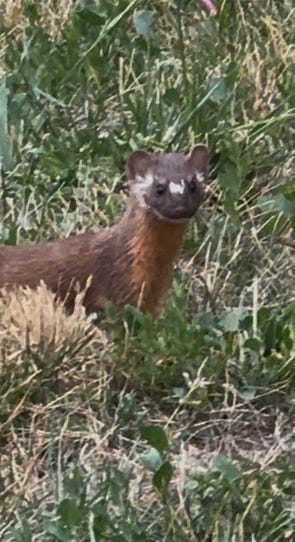
The oldest use of nature in our literature is seeing ourselves in the lives of the plants and animals that share the natural world with us. London and these other authors made the wild a mirror of the animal in us, the part that still connects the long, constant fight-or-flight instinct with our modern lives.
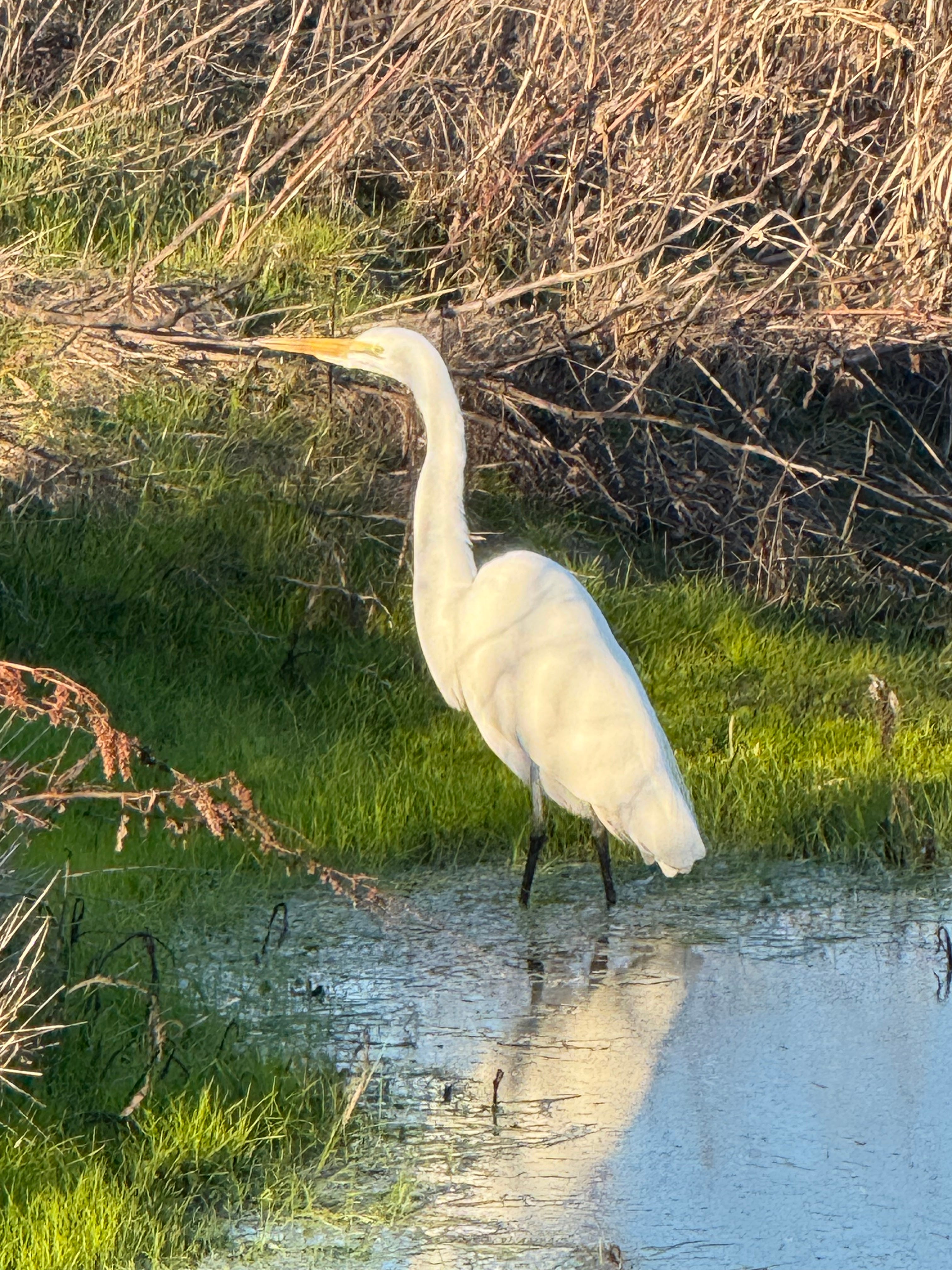
The Great egret began paying regular visits and decided to stay. It patiently waits each mornin, standing in the shallows, still and focused. turning waiting into an art of survival. Reminding me that my own waiting has purpose and meaning.
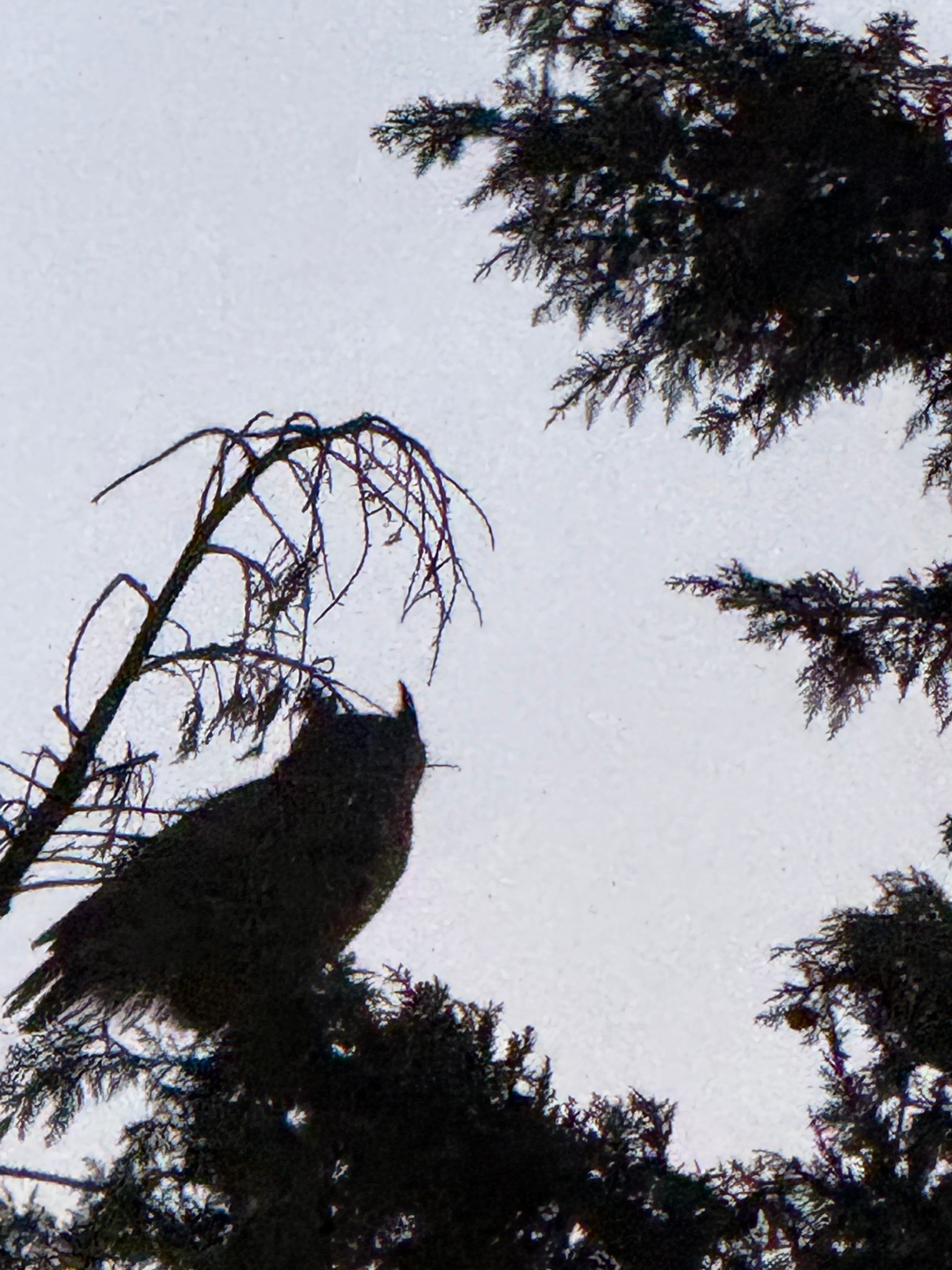
And the owl — the wise one, keeping watch from the high branches at dusk. Knowing the things that are hidden from the rest of us, its spirit is that of a seeker. It came at the very beginning of the writing of Taking the Helm, as if to say, I see you there, be who you are.
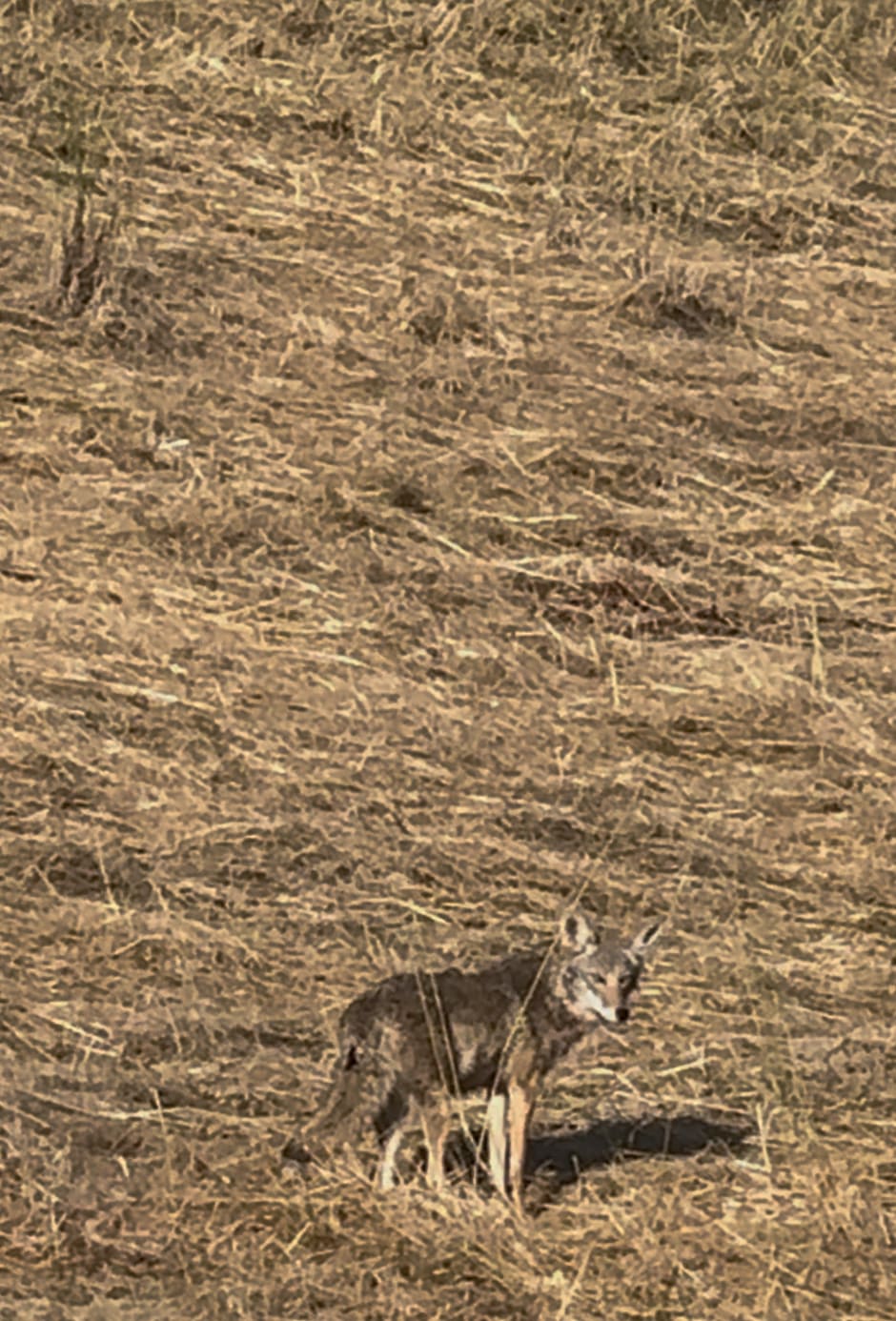
Then came the coyote at first light — the survivor, the wanderer, misunderstood and to some, scary. Its spirit is resilient and adaptable, straddling the human and the wild worlds in its habitat. An example to all who take the time to notice.
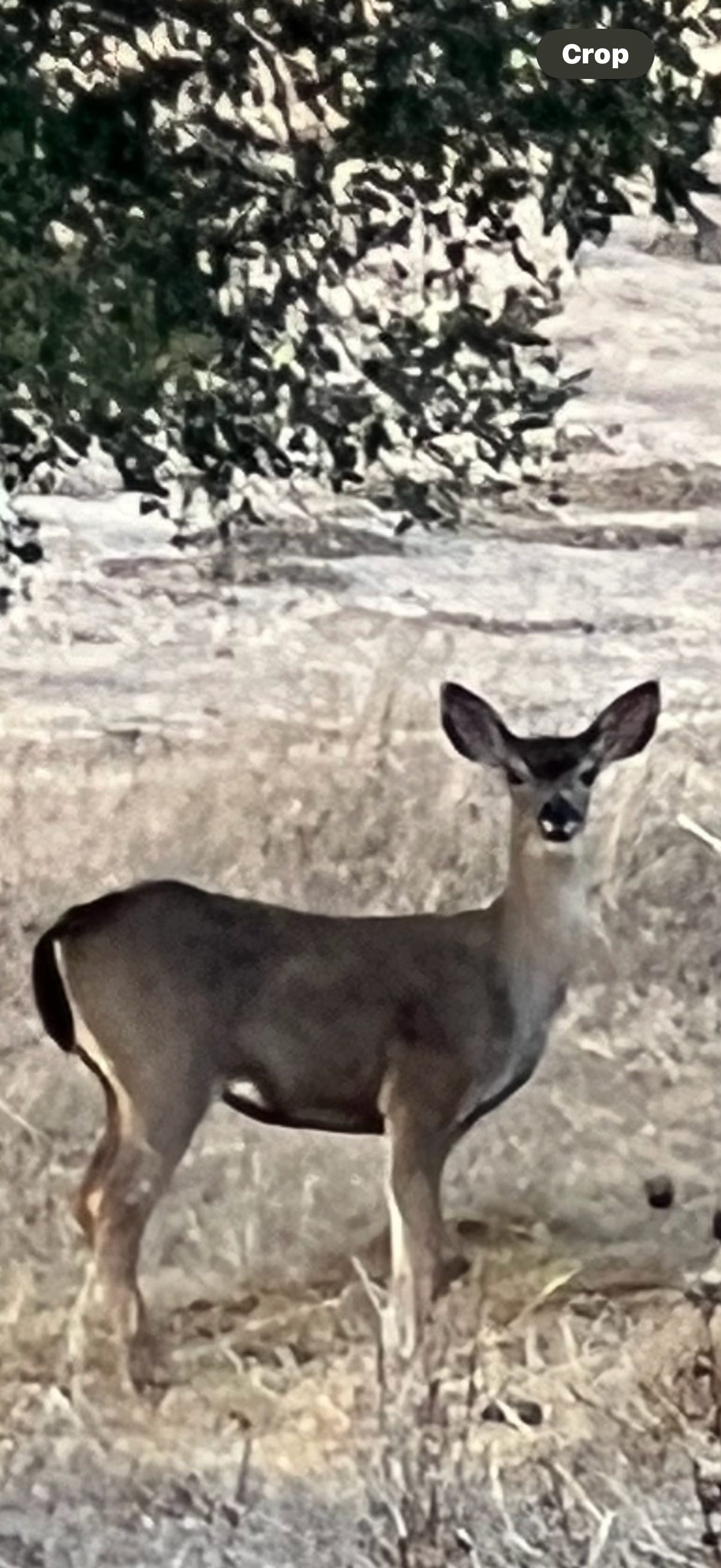
The deer, a regular visitor, grazes the hills without a care, knowing me; it looks at me as if to say, “I see you, and I am not afraid,” telling me to be at rest. We in the valley live alongside each other in nature’s web, and it is easy to feel a union with each of the animals that live here. Why is that? The unique way they each fit into the wild of the valley of the moon makes each of them shine in their own light.
Hummingbirds are a sign of joy and hope to many. They come each day to drink from the flower blossoms, fighting to claim their territory, doing their busy work at 80 strokes a second. This one was not sure if I was friend or foe, but after a brief inspection, it realized I was just another admirer, and went on with its work, leaving me to wonder about the joy and the hope that fill my life.
I think what the deer, the owl, the hummingbird, and all the animals have been telling me is: see me, let me show you who I am, be astonished, live well in your own form, and be who you already are. When we allow ourselves the simple pleasure of being ourselves, and we embrace our own nature, we immediately feel we belong where we already are.
When we feel that we belong in both places, the wild and the world we built around it, a person can look around and find something astonishing: themselves. They can discover that they were never out of place and that their true nature belongs to both worlds.
The weasel in the grass, the owl in the cedar, the pink light of the moon set, the deer, the coyote, and the hummingbird. Even the lingering fog floating along the ridge in the morning moonlight— they are not asking anything of me other than to be who I am, join with them, and rejoice in the nature of the place we each call home, the Valley of the Moon.
I painted this painting in 2023 at the beginning of my time in the valley. I was enchanted by the rolling hills and redwood trees, and all the wildlife that made its way to my door to welcome me home. I called it Promise Land and felt that my arrival in the Valley of the Moon was a fulfillment of a promise I made to myself many years ago. To be who I was always born to be, and so, I began to write Taking the Helm- Compass and Tides. Many of the songs I wrote alongside the book made their way onto the Journeyman soundtrack that accompanies it, including Acorn Sprout, a seed of a song I brought with me from Massachusetts and planted in the Valley of the Moon.
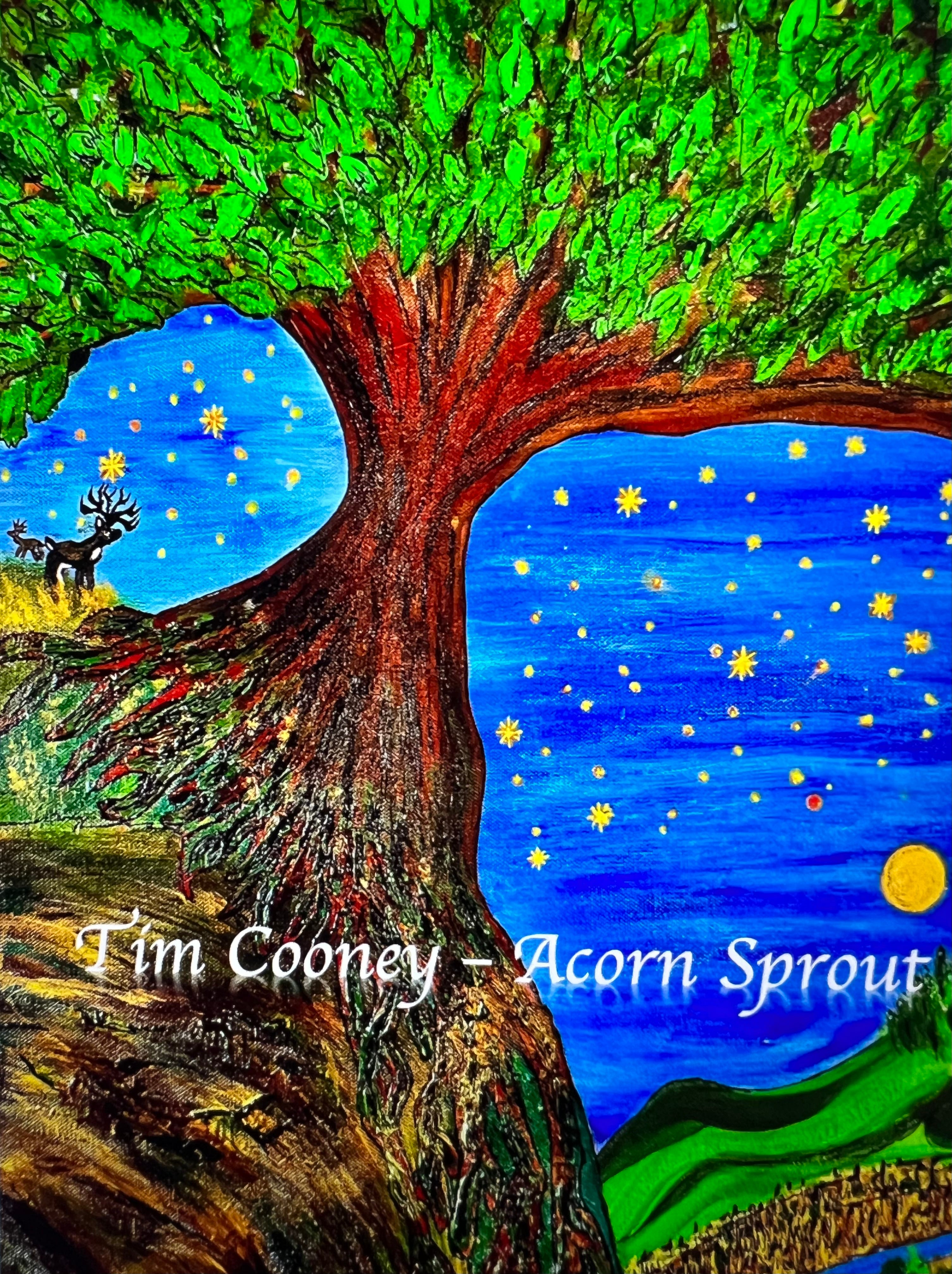
Acorn Sprout: From The Journeyman Vol 1. A song and a painting about a little acorn that grows into the biggest tree in the valley, rooted in one spot its whole life, it survives many droughts and fires to become the oldest and largest tree in the valley — it has grown into itself, and the world comes to its door, astonished.
— Tim
Thanks for reading. I’m Tim Cooney — writer, singer-songwriter, and painter, and the author of the memoir Taking the Helm: Compass and Tides. New essays, songs, and artwork most Fridays.
🎧 Spotify:
📀 Bandcamp: https://timcooney.bandcamp.com/follow_me 🎵 SoundCloud: https://soundcloud.com/timcooney-22 ▶️ YouTube: https://www.youtube.com/@timcooneysunturtlestudios 🌐 Everything in one place:
https://sunturtlestudio.com

The Journeyman is the multimedia memoir project of Tim Cooney — the book Taking the Helm: Compass and Tides*, a three-volume soundtrack, and the paintings and photographs of a life of reinvention. If this reached you, subscribe and come along.*